

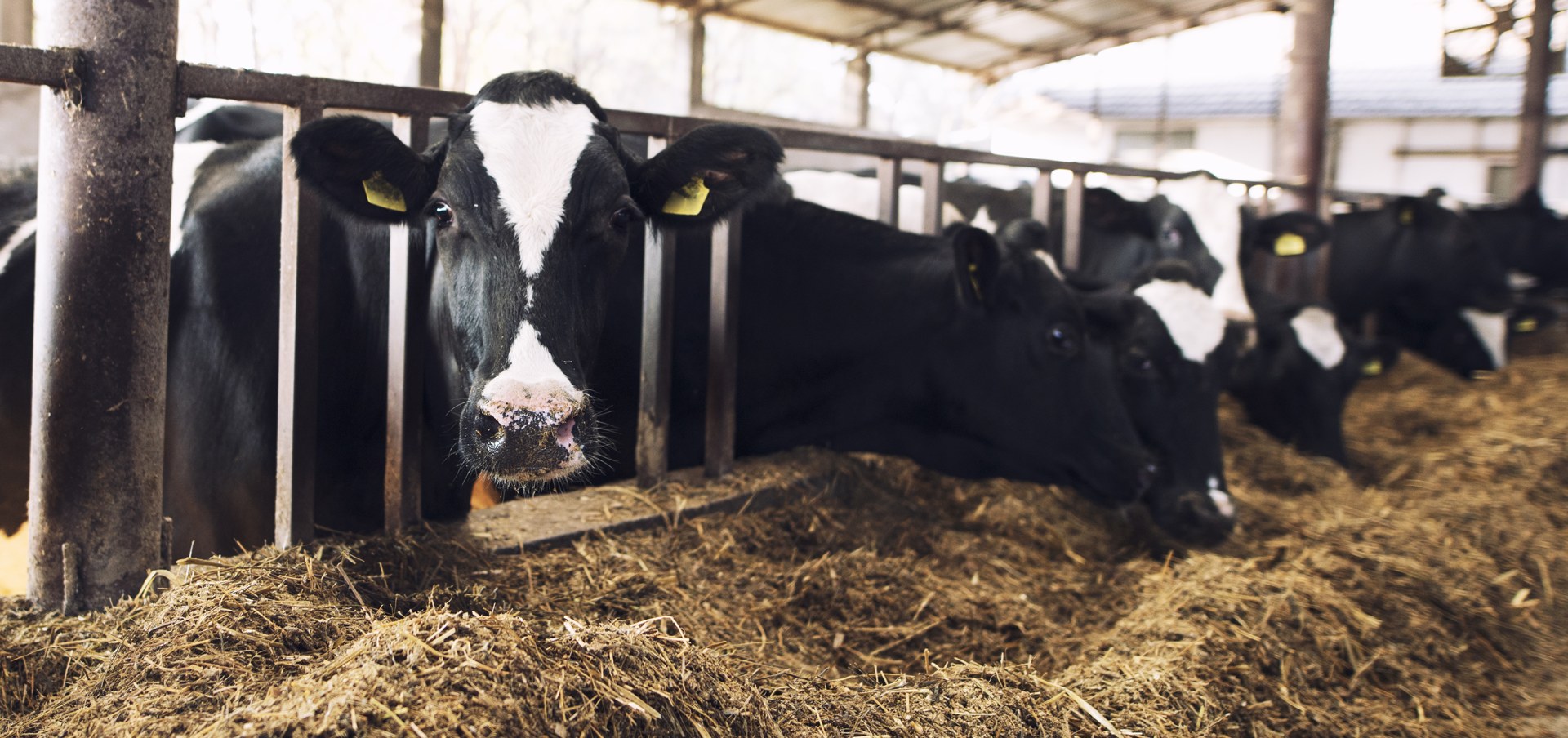
Cattle farming in Belarus
An important branch of agriculture focused on the breeding and care of dairy animals, primarily cows. Here are some of the advantages of working in the dairy sector in the Republic of Belarus:
- Climatic conditions
- Traditions and experience
- Environmental friendliness
- Product variety
- Export potential
- State support
- Rural employment
Our goal is to ensure high productivity and meet the needs of both domestic and international markets in the dairy sector.
Through modern methods of livestock breeding and care, we guarantee high-quality dairy products and contribute to the sustainable development of livestock farming in Belarus.

Dairy Production: Commitment to Excellence and Sustainability
To achieve these results, special attention is given to the feeding and diet of dairy cows, including the use of high-quality feed and supplements.
Modern technologies and meticulous animal care help increase productivity and improve herd health, making dairy farming a key element for the country’s food security.
Main Advantages of Dairy Cattle Farming in Belarus
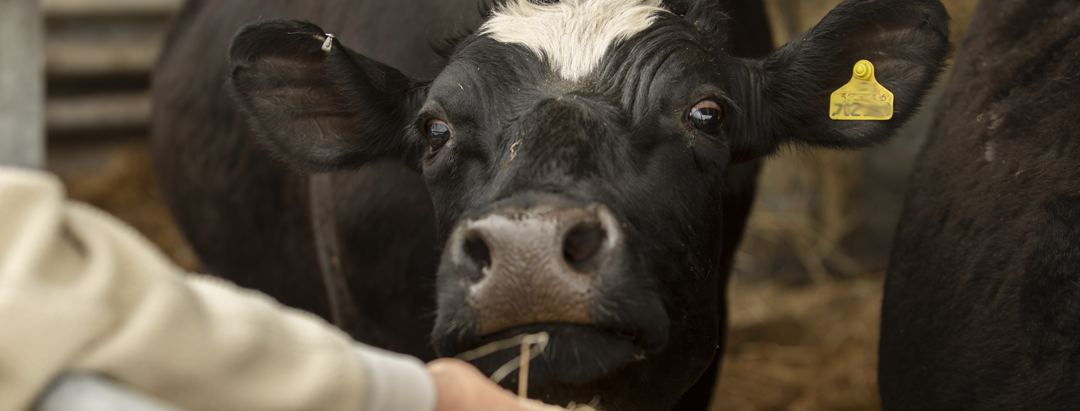
Traditions and experience: Dairy farming has a long tradition in Belarus. Established traditions and experience in animal care and milk production allow for high productivity.
Environmental friendliness: Belarus is actively developing environmentally friendly livestock farming. Dairy products are often produced using natural feed and without chemical additives, increasing their value in both domestic and international markets.
Product diversity: Belarus produces a wide range of dairy products, including cheese, ricotta, yogurt, and kefir, meeting the diverse needs of consumers.
Export potential: Milk and dairy products have high export potential. Belarus actively exports its products to foreign markets, contributing to economic growth.
State support: The country has state support programs for dairy farming, including subsidies and investments, which help develop the sector and modernize production.
Rural employment: Dairy cattle farming creates numerous jobs in rural areas, contributing to the development of the local economy and helping retain population in rural regions.
Frequently Asked Questions (FAQ)
Floris Farm’s dairy herd consists of Holstein cows, one of the most widespread dairy breeds in the world, including Belarus.
- High milk production: Holstein cows are known for their ability to produce large quantities of milk. Average milk production can reach 30–40 liters per day.
- Milk quality: Holstein cow milk has good organoleptic properties and a high content of fat and protein, making it ideal for processing.
- Adaptability: this breed adapts well to different climatic conditions, making it suitable for various regions.
- Calm temperament: Holstein cows generally have a calm temperament, making them easy to manage and care for.
- Cost-effectiveness: high milk yield and quality make them profitable for farmers.
The Holstein breed is often used in dairy farming for its exceptional characteristics.
-The overall performance of the company exceeds the national average. In 2023, agricultural organizations in the Republic of Belarus:
-The average milk yield per cow was 5,854 kg, while at Floris Farm LLC it was 8,458.1 kg (for dairy cattle), representing 144.5% of the national average;
The average daily weight gain of cattle was 617 g, which is fully consistent with the level at Floris Farm LLC.
When conducting a comparative analysis of Floris Farm LLC’s activities in the regional context, it should be noted that in terms of the “average milk yield per cow” indicator, the organization in 2023 exceeds the average level of agricultural enterprises in all districts of the Brest region, except for Brest and Ivanovo, as well as all regions of the Republic of Belarus.
1. Feeding/Rations:
Feeding cows is essential to ensure their productivity. Rations must be balanced and include all essential nutrients, such as proteins, carbohydrates, vitamins, and minerals. The use of high-quality feed promotes better health and increased milk production.
2. Veterinary Care/Gynecology:
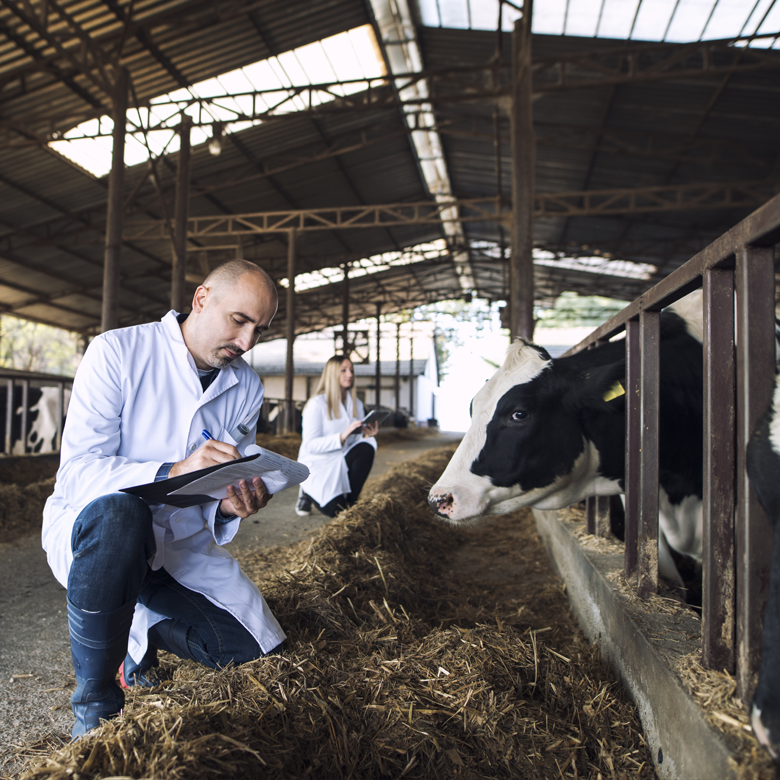
Caring for cattle health includes regular veterinary check-ups and preventive measures. Gynecology plays a crucial role in maintaining the reproductive health of cows, ensuring successful herd reproduction. Timely vaccinations and disease treatments help prevent epidemics.
3. Herd Reproduction/Insemination:
Herd reproduction is an important aspect of dairy cattle farming. Cows must be inseminated at the optimal time to maximize efficiency. Artificial insemination allows for the selection of the best bulls and monitoring of the genetic quality of the offspring.
4. Forage Base:
The forage base includes a variety of feeds necessary for complete cow nutrition. It should consist of green forage, silage, concentrates, and mineral supplements. A variety of feeds ensures animal health and optimal conditions for productivity.